Snoring Appliances

Snore less. Sleep more.
A personalised approach to quieter sleep.

At NCOFP, we provide individually assessed and custom-fitted mandibular advancement appliances (MADs) that gently position the lower jaw forward during sleep. For suitable patients, they may help reduce snoring and support airflow through the upper airway. Treatment begins with a clinical assessment to determine whether an appliance is appropriate for your needs.

Custom-fitted snoring appliances on their storage cases at NCOFP, Galway
Specialised dental sleep medicineNo referral neededCustom-fitted for suitable patientsRoscam, Galway

How they work

What are snoring appliances and how do they work?

A snoring appliance, commonly known as a mandibular advancement device (MAD), is a custom-fitted oral appliance worn during sleep. It gently holds the lower jaw in a slightly forward position, helping to support the upper airway and reduce the narrowing that can contribute to snoring.

By helping to maintain space in the airway, a MAD may improve airflow and reduce vibration of the soft tissues that produce snoring sounds. Each appliance is made to fit your teeth and can be adjusted gradually to find a suitable balance between comfort and treatment response.

Supports the airway

Helps reduce narrowing of the upper airway during sleep.

Reduces tissue vibration

Helps limit vibration of soft tissues associated with snoring.

Supports airflow

Encourages a more open airway to help air move more freely.

Individually adjusted

Custom-fitted and gradually calibrated to suit your needs.

Why it matters

Why clinical assessment matters

A snoring appliance is more than simply a mouthpiece made to fit your teeth. For treatment to be appropriate, it is important to understand the factors contributing to your snoring and assess whether mandibular advancement therapy is suitable for you.

At NCOFP, assessment considers your symptoms, medical and dental history, dental health, bite and jaw function. Where sleep apnoea is suspected or already diagnosed, appropriate sleep assessment and coordination with your sleep physician may also be necessary.

A professionally prescribed appliance is selected and fitted according to your individual needs. Its position can then be adjusted gradually, with follow-up appointments to assess comfort, tolerance and response to treatment.

Individual clinical assessment

Your symptoms, dental health, bite and jaw function are considered before treatment is recommended.

Custom fitting

The appliance is selected and fitted to your dental anatomy, rather than relying on a general or self-fitted design.

Gradual adjustment

The position of the lower jaw can be carefully adjusted to balance comfort and treatment response.

Ongoing review

Follow-up allows us to monitor how you are getting on and address any questions as they arise.

Is it right for me?

Is a snoring appliance right for me?

A custom-fitted snoring appliance may be worth considering if snoring is persistent, disruptive or affecting your sleep or your partner’s sleep. Mandibular advancement appliances may also be suitable for selected patients with obstructive sleep apnoea (OSA), depending on the diagnosis and individual circumstances.

You may wish to explore appliance therapy if:

You experience persistent or disruptive snoring
Your snoring continues despite trying lifestyle or positional measures
You have been diagnosed with OSA and are exploring alternatives or additional treatment options with your sleep clinician
You find CPAP difficult to tolerate and would like to discuss whether an oral appliance may be appropriate
You already use CPAP and would like to explore whether an oral appliance could offer a more convenient option when travelling

What if I have sleep apnoea?

Mandibular advancement appliances can be an option for some people with OSA, but they are not suitable for everyone. A sleep assessment and diagnosis are important, and treatment decisions should be made in coordination with your sleep physician or respiratory consultant. Follow-up testing may be needed to assess how well the appliance is working.

Using CPAP? Do not stop or replace it without discussing this with your sleep clinician.

At NCOFP, Dr Chah will assess your individual circumstances and discuss whether a snoring appliance is a suitable option, or whether another approach may be more appropriate. Learn more about obstructive sleep apnoea →

What to expect

What does treatment involve at NCOFP?

At NCOFP, our process begins with a comprehensive assessment, considering your medical history alongside a thorough clinical assessment and examination. Should you decide to move forward with treatment, you’ll typically have two further visits.

1

Assessment

Is an appliance right for you?

2

Dental records

Impressions or scans

3

Fitting

Fitted by Dr Chah

1

Clinical assessment

Your medical and dental history, symptoms, dental health and jaw function are assessed to help determine whether a mandibular advancement appliance is appropriate.

2

Dental records

Impressions or digital scans of your upper and lower teeth are taken, together with a record of how your teeth meet, to ensure an accurate custom fit.

3

Appliance fitting

Once your custom-made appliance is ready, Dr Chah personally checks the fit, explains how to use it and provides personalised care instructions. The appliance is designed to be worn during sleep.

Follow-up and review

Follow-up appointments allow us to assess comfort, fit and response to treatment, address any questions and make adjustments where needed. For patients with OSA, follow-up sleep testing may be arranged in coordination with their sleep clinician.

Each appliance is custom-made to precise specifications in collaboration with trusted dental laboratories, with careful attention to fit, quality and individual requirements. We work with established manufacturers including SomnoDent, Orthoapnea, ProSomnus and Panthera.

Good to know

Not all snoring appliances are the same

An appliance may look similar, but the assessment and care behind it can make an important difference. While some online services offer individually manufactured appliances using dental impressions, this does not necessarily mean that the appliance has been clinically assessed or prescribed.

Online or over-the-counter appliances

  • May be based on self-taken impressions
  • May not include an individual clinical assessment
  • May not include professional adjustment
  • May not include ongoing clinical review

Clinically guided treatment at NCOFP

  • Individual clinical assessment
  • Appliance selected according to clinical needs
  • Professional fitting and adjustment
  • Ongoing review of comfort, fit and treatment response

It’s not just about the appliance. It’s about the clinical expertise, assessment and ongoing care behind it.

Expertise beyond the appliance

Why choose NCOFP for your snoring appliance?

Snoring treatment involves more than simply providing an appliance. It requires an understanding of the individual, their dental health, jaw function and sleep-related concerns.
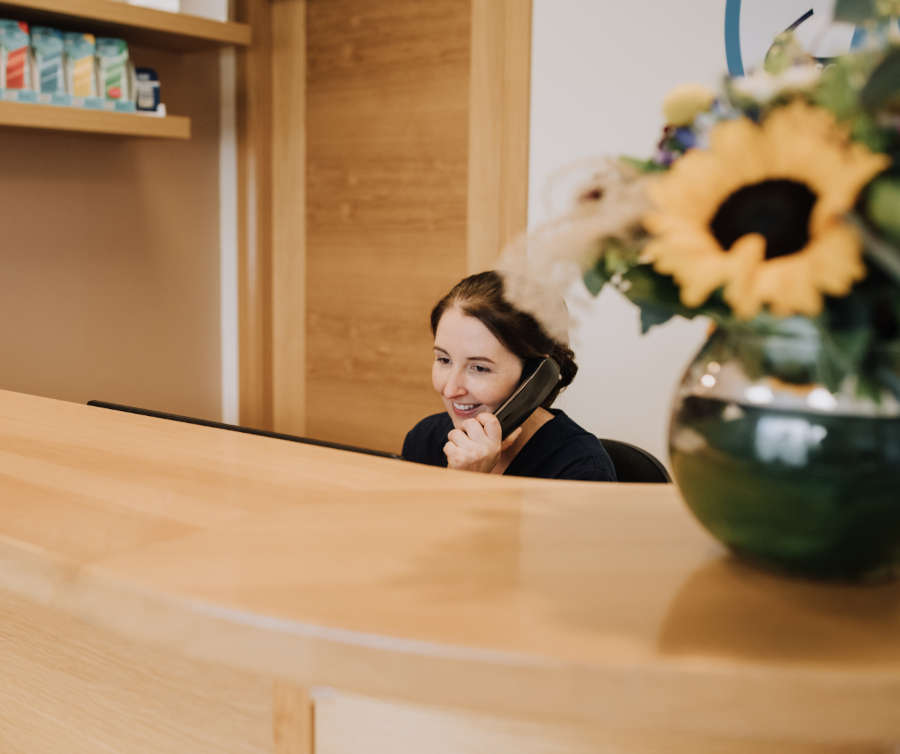
Welcoming reception desk at NCOFP, Roscam, Galway

Understanding your needs

Assessment considers your symptoms, dental health, jaw function and individual treatment requirements.

Choosing the right appliance

Appliance selection is guided by your clinical circumstances rather than a one-size-fits-all approach.

Care beyond the fitting

Professional fitting, adjustment and ongoing review help support appliance fit, function and treatment response. Where needed, Dr Chah will work with your sleep clinician, GP or dentist.

It’s this combination of clinical knowledge, individualised care and ongoing support that underpins the NCOFP approach.

Dr Neysan Chah, board-certified in orofacial pain, NCOFP Galway

Who you will see

Dr Neysan Chah

B.A., B.Dent.Sc., MSc. OFPOM, Dip. ABOP, FAAOP, FICD

Diplomate of the American Board of Orofacial Pain, and a member of the European Academy of Dental Sleep Medicine and the Irish Sleep Society.

Dr Neysan Chah has advanced training in orofacial pain management and dental sleep medicine, including jaw disorders and the construction of oral appliances for snoring and sleep apnoea. His clinical interests include:

Snoring Oral appliance therapy for obstructive sleep apnoea Sleep bruxism Jaw disorders and orofacial pain
About Dr Chah →

FAQs

Frequently asked questions about snoring appliances

Do I need a sleep study before getting a snoring appliance?

Not everyone who snores requires a sleep study. However, if obstructive sleep apnoea (OSA) is suspected, a sleep assessment and appropriate testing are important before deciding on treatment. This helps establish whether snoring occurs on its own or is associated with sleep apnoea.

Can I use a snoring appliance if I have obstructive sleep apnoea?

A mandibular advancement device may be suitable for some people with diagnosed OSA. Suitability depends on individual clinical factors, and treatment should be coordinated with your sleep physician or respiratory specialist. Follow-up assessment may be needed to check how well the appliance is working.

Can a snoring appliance replace CPAP?

Not necessarily. CPAP remains an important treatment for many people with OSA. A mandibular advancement device may be considered as an alternative for selected patients following discussion with their sleep clinician. You should never stop or replace CPAP without medical advice.

How long does it take to get used to a snoring appliance?

There is usually an adjustment period. Some people adapt within a few nights, while others need longer. Temporary changes in saliva, dry mouth or mild jaw discomfort can occur. Gradual adjustment and follow-up appointments can help improve comfort.

Are there any side effects?

Some people experience temporary jaw discomfort, tooth tenderness, dry mouth or increased saliva. Longer-term use can sometimes affect the bite or tooth position. Regular review helps identify and manage any changes. Contact the clinic if you experience persistent discomfort.

What if I’ve already tried an over-the-counter mouthguard?

Over-the-counter products are not the same as a professionally assessed and fitted mandibular advancement device. If they have not helped, a clinical assessment can explore the factors contributing to your snoring and whether a custom-fitted appliance may be appropriate.

How long will my snoring appliance last?

The lifespan varies depending on the appliance, materials, frequency of use and individual wear. Regular checks help assess its condition, fit and function. Your appliance may eventually need repair or replacement.

Do I need a referral?

No. You can book directly with NCOFP in Galway. We also welcome referrals from dentists, GPs, sleep clinicians and other healthcare professionals.

Take the next step

Ready to take the next step?

If snoring is affecting your sleep or your partner’s, a clinical assessment can help establish whether a custom-fitted mandibular advancement appliance may be suitable for you.

No referral needed · We aim to reply by the next working day