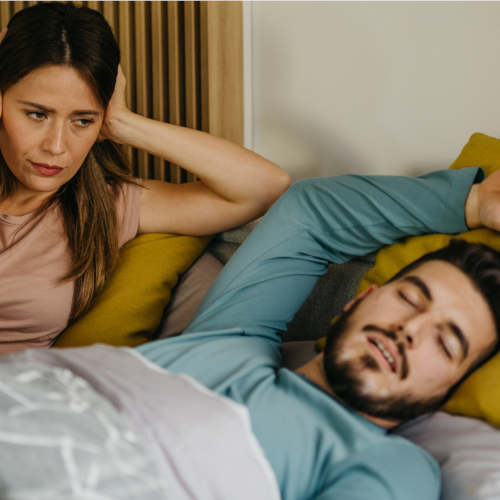
Oral Appliance Therapy
Custom-made oral appliances may help manage snoring and may be suitable for selected patients with obstructive sleep apnoea, depending on their clinical needs and assessment.

Poor sleep affects your energy, your health, your relationships and your quality of life.
Yet for many people, the underlying cause can go unidentified for years.
At NCOFP, dental sleep medicine is an integral pillar of care. Patients seeking assessment for sleep-related breathing concerns and sleep bruxism receive an individualised evaluation and management plan informed by Dr Chah’s advanced training in dental sleep medicine and a collaborative, multidisciplinary approach where appropriate.
Book an AppointmentDental sleep medicine considers the relationship between sleep, airway function and craniofacial structures, and how these may be associated with conditions such as snoring, obstructive sleep apnoea and sleep bruxism.
Airway function, jaw position and muscle activity during sleep can be interconnected. Understanding these relationships helps inform assessment and guide appropriate management based on each patient’s symptoms and needs, rather than focusing on symptoms in isolation.
Dental sleep medicine can also play a role in supporting patients with sleep-disordered breathing, including selected patients with obstructive sleep apnoea who have difficulty tolerating continuous positive airway pressure (CPAP) therapy. Oral appliance therapy may be an appropriate alternative or treatment option in certain circumstances, depending on the individual’s clinical needs and the advice of their sleep medicine team.
Dental sleep medicine is a core pillar of care at NCOFP. Dr Chah’s clinical work brings together his training in dental sleep medicine and his experience in orofacial pain and temporomandibular disorders (TMD), supporting an approach that considers the relationship between sleep, airway function, jaw health and facial pain.
Assessment is guided by each patient’s symptoms, clinical presentation and individual needs, helping inform appropriate management options for conditions such as snoring, obstructive sleep apnoea and sleep bruxism.
Where required, care may involve collaboration with respiratory physicians, sleep medicine clinicians and other healthcare professionals. For patients with overlapping sleep-related concerns and orofacial pain, these factors can be considered together when planning care.
This approach is reflected in each stage of care, from the initial assessment through to treatment planning and follow-up. The process is guided by your individual concerns, clinical findings and the need for any further investigation or collaboration with other healthcare professionals.
We discuss your symptoms, sleep concerns, relevant medical and dental history, and how these affect your daily life.
Your presentation is evaluated to help determine the nature of your concerns and whether further investigation or input from another healthcare professional is appropriate.
Appropriate options are discussed in light of your clinical needs. These may include oral appliance therapy or coordination with your sleep medicine team where required.
Follow-up is guided by the treatment provided, your response and any need for further review or collaboration with other clinicians.
Sleep-related concerns can affect people in different ways, from disruptive snoring to breathing difficulties during sleep and involuntary jaw activity. At NCOFP, we assess concerns relating to snoring, obstructive sleep apnoea and sleep bruxism, helping patients understand the available management options and when further evaluation may be appropriate.
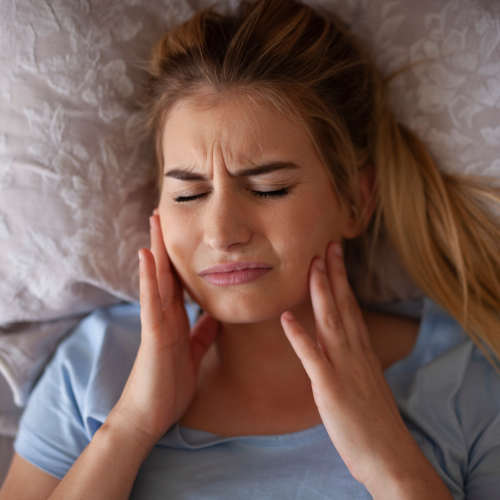
Sleep bruxism is a sleep disorder characterized by involuntary grinding, clenching, or gnashing of teeth during sleep. It often occurs without the individual being aware of it, leading to various dental and orofacial issues. This condition can result in tooth wear, jaw pain, headaches, and even damage to teeth and dental restorations.
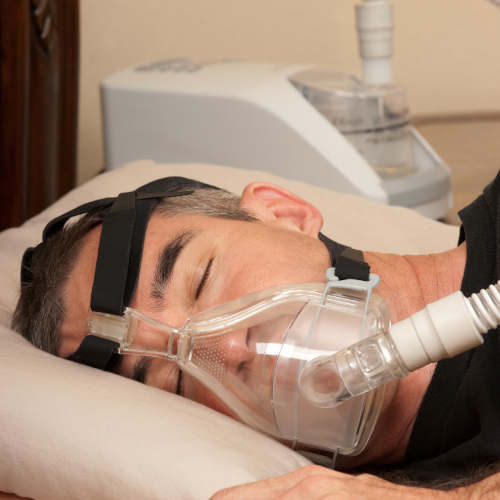
Obstructive Sleep Apnea (OSA) is a sleep disorder characterized by repeated interruptions in breathing during sleep. It occurs when the muscles at the back of the throat relax excessively, leading to a temporary blockage or obstruction of the upper airway.
Treatment is guided by each patient’s symptoms, clinical findings and individual needs. Depending on the condition, management may include oral appliance therapy, measures to help protect the teeth from the effects of sleep bruxism, or coordination with other healthcare professionals where appropriate.
Custom-made oral appliances may help manage snoring and may be suitable for selected patients with obstructive sleep apnoea, depending on their clinical needs and assessment.
An individually designed occlusal appliance may help protect the teeth from the effects of grinding or clenching during sleep. It does not necessarily stop the bruxism itself.
Where appropriate, management may be coordinated with a respiratory physician, sleep medicine clinician or another healthcare professional to help ensure that care reflects the patient’s wider clinical needs.
If snoring, disrupted sleep, concerns about sleep apnoea or sleep bruxism are affecting your quality of life, an appointment can help you understand your concerns and explore appropriate management options.
At NCOFP, care is guided by your individual symptoms, clinical findings and needs. Where appropriate, we can also consider whether further investigation or collaboration with other healthcare professionals may be helpful.
Book an Appointment