Do you grind or clench your teeth, or wake with jaw pain?
An oral orthotic device, also known as a stabilisation splint, bite guard or night guard, is a custom-made appliance worn in the mouth. At NCOFP in Galway, it may be considered as part of your management plan following a thorough assessment.

Understanding oral orthotic devices
An oral orthotic device, also known as a stabilisation splint, bite guard or night guard, is a custom-made protective device worn in the mouth to help address various issues related to teeth grinding, jaw clenching and temporomandibular joint (TMJ) disorders.
While the exact mechanism of action of oral orthotic devices is not fully understood, they are thought to work in several ways:
They are believed to help modify the brain’s response to oral parafunctional habits, such as clenching or grinding the teeth.
They provide a protective barrier between the upper and lower teeth, which may help protect the teeth and dental restorations from damage caused by grinding and clenching.
By separating the teeth, they may help reduce the load on the temporomandibular joints (TMJ) during grinding and clenching.
Who it may help
An oral orthotic device may be considered if you experience symptoms such as:
An oral orthotic device is not suitable for everyone. A thorough assessment helps determine whether an appliance is appropriate for you, and which type may best suit your needs.
What to expect
At NCOFP, the process begins with a comprehensive assessment, considering your medical history and a thorough clinical assessment and examination. Should you decide to move forward with treatment, you’ll typically have two further visits.
History and examination
Recording your teeth and bite
Your appliance and care instructions
Your first appointment is a comprehensive assessment, considering your medical history and a thorough clinical examination. This helps determine whether an oral orthotic device is appropriate for you.
The first treatment visit involves taking impressions of your upper and lower teeth, along with a simple procedure to capture the relationship between them.
During the second visit, Dr Chah personally fits the appliance, which is designed to be worn during sleep, and provides personalised care instructions for your needs.
How it may help
An oral orthotic device provides protection for the teeth and jaw joints, and may help manage symptoms associated with teeth grinding, jaw clenching and TMJ disorders. For suitable patients, wearing a custom-made bite guard or night guard may help to:
Success in using an oral appliance depends on having the right appliance and consistent use. At NCOFP, we work with you to review the benefits and risks of each option so we can create the right device for your specific needs.
Because many orofacial conditions can coexist and influence one another, an appliance is often one part of a comprehensive management plan, which may also include medication management, therapeutic injections and lifestyle recommendations.
Good to know
No. An appliance may look similar, but the assessment and care behind it can make an important difference. Some online services make appliances from dental impressions, but this does not necessarily mean the appliance has been clinically assessed or prescribed.
It’s not just about the appliance. It’s about the clinical expertise, assessment and ongoing care behind it.
Different presentations need different approaches, and an appliance is not always the main treatment needed.
Why choose NCOFP
NCOFP is a specialised clinic in Galway focused on orofacial pain, jaw disorders and dental sleep medicine. We take the time to understand what is driving your symptoms before recommending an appliance, and agree a plan that suits you.
Treatment is guided by diagnosis, not simply appliance provision.
Each appliance is custom-made for your teeth and personally fitted by Dr Chah.
Where it would help, Dr Chah will refer you within a trusted network of healthcare professionals and work with them on your care. Where needed, he will also liaise with your own dentist, GP or consultant.
Who you will see
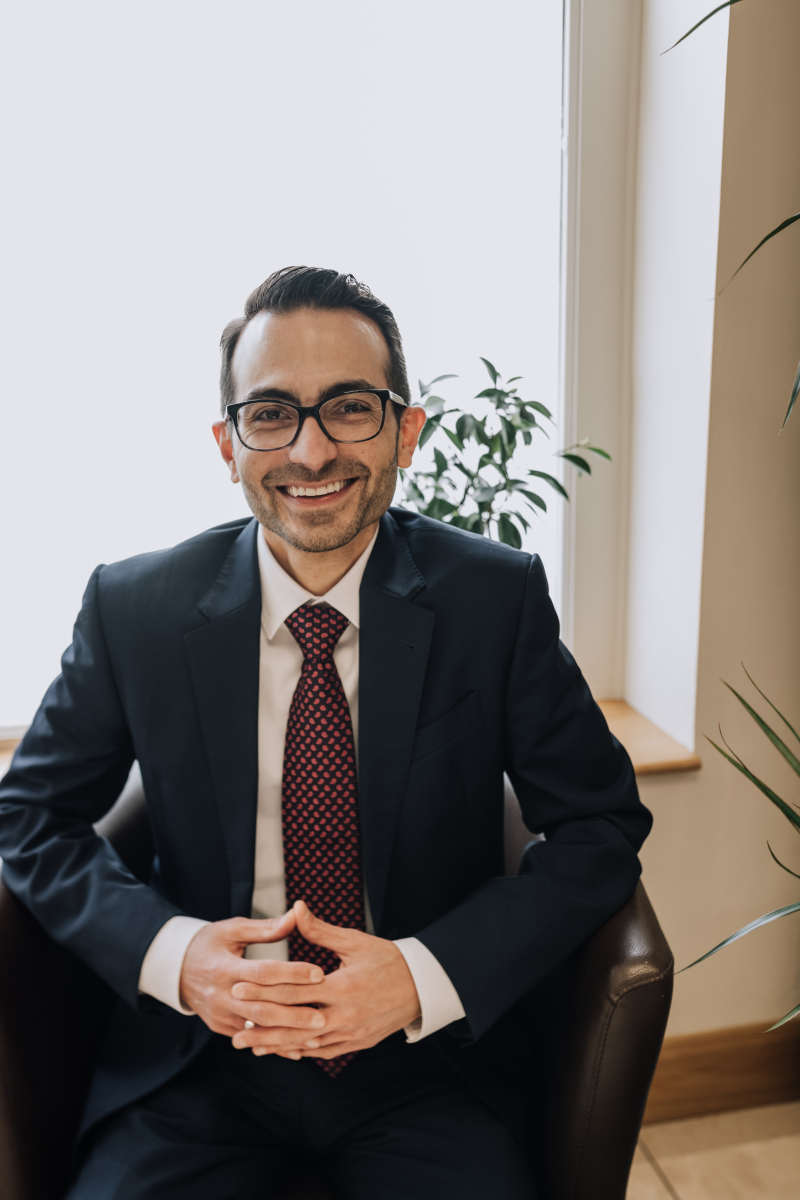
Dr Neysan Chah
B.A., B.Dent.Sc., MSc. OFPOM, Dip. ABOP, FAAOP, FICD
Diplomate of the American Board of Orofacial Pain, with a Master’s in Orofacial Pain and Oral Medicine from the University of Southern California.
Dr Neysan Chah has advanced training in orofacial pain management and dental sleep medicine, and provides custom oral appliances as part of the management of conditions such as:
FAQs
No. A custom oral orthotic device is made from impressions of your teeth and fitted by Dr Chah following a clinical assessment. Shop-bought guards are generally not made from impressions of your teeth, and are not designed around a clinical diagnosis.
Not necessarily, but it can play an important role in managing bruxism. An oral orthotic device provides a protective barrier between the upper and lower teeth, which may help reduce tooth wear, protect dental restorations and reduce the load on the jaw joints and muscles. It is also thought to help modify the brain’s response to grinding and clenching habits. Because bruxism often has more than one contributing factor, such as stress, sleep or certain medications, these may also be considered as part of your management plan.
An oral orthotic device is designed to be worn during sleep. Dr Chah will give you personalised instructions on wearing and caring for your appliance when it is fitted.
After your initial assessment, there are typically two visits: one to take impressions of your upper and lower teeth and record how they meet, and a second for Dr Chah to fit the appliance.
No. A snoring appliance, or mandibular advancement device, holds the lower jaw slightly forward during sleep to support airflow. An oral orthotic device is designed to help with teeth grinding, jaw clenching and TMJ disorders. Your assessment helps determine which type of appliance, if any, is appropriate for you.
Your appliance is personally fitted by Dr Chah, who checks it and makes any adjustments needed at your fitting appointment and at review appointments. It can take a little time to get used to wearing a new appliance, and you will be advised on how to wear and care for it. If you have any questions at any stage, please contact us. Any adjustments are made at the clinic, so please don’t try to adjust the appliance yourself.
Your first appointment is a comprehensive assessment, including your medical and dental history and a thorough clinical examination. Dr Chah will discuss whether an oral orthotic device or another approach may be appropriate for you.
No. You can book directly with NCOFP in Galway. We also welcome referrals from dentists, GPs and other healthcare professionals.
Take the next step
If you believe you may benefit from an oral orthotic device, consult with Dr Neysan Chah at NCOFP to discuss personalised treatment options for your specific needs.
No referral needed · We aim to reply by the next working day